Bull & bear markets explained


·
5 min. read
“Bull” and “bear” describe broad market trends. They help organize a discussion of prices and sentiment, but do not tell you what the market will do next.
A bull market describes a sustained upward trend, while a bear market describes a sustained decline. A 20% move is a common reference point in traditional markets, not a universal rule for crypto. These labels describe market conditions; they don’t tell you what prices will do next.
Crypto markets can be highly volatile and show significant movement compared to traditional finance. Despite ongoing trading fluctuations, market direction is often dictated by an overall sentiment. Market labels can impact prices and become self-fulfilling prophecies. Watch for momentum shifts.
Origins of The Terms
The “bull” and “bear” market terms, common in traditional finance, have been adopted in cryptocurrency as well, despite their unclear origins.
The term “bear” for falling prices comes from the North American bear skin trade. Traders would sell skins before trapping the animals, anticipating a decrease in value. This led to the phrase “to sell the bear’s skin before one has caught the bear.” Like counting chickens before they hatch, the preemptive fur trade was a risky but generally accepted strategy seen as profitable.
The term ‘bears’ became popular after the 18th century South Sea Bubble. It describes the practice of borrowing and selling shares, only to buy them back at a lower price - now known as short selling.
The precise origins of “bull” are uncertain. One familiar explanation compares a bull’s upward thrust with a bear’s downward swipe, but that is a popular explanation rather than a settled historical account.
Bulls & Bears
Bulls and Bears are associated with trading, regardless of origin. In New York’s financial district, there is a 3,200 kg bronze bull that stares at tourists.
The Charging Bull appeared in December 1989, representing market optimism after the 1987 Black Monday Crash, which caused the biggest daily decline in the Dow Jones Industrial Average by 22.6%.
Crypto Price & Narrative
In financial markets, narratives are crucial due to their inherent unpredictability. This is especially true in the misunderstood and relatively young crypto industry.
Cryptoassets can follow different trends at the same time. Trading is generally available around the clock, while liquidity, exchange access and the availability of particular services can still vary.
The cryptocurrency market is volatile and speculative, with different groups participating, like professional traders, institutions, miners, and recreational investors, each with their own reasons, preferences, and risk tolerance.
Time preference describes a preference for benefits sooner or later. Holding Bitcoin or trading frequently can reflect different goals, but neither choice by itself establishes patience, suitability or a better return.
Bitcoin’s halving cycle creates a predictable issuance schedule, not a predictable price cycle: the block subsidy halves every 210,000 blocks, roughly every four years.
Bitcoin’s supply is capped at approximately 21 million under its current consensus rules. The April 2024 halving reduced the block subsidy to 3.125 BTC. Blocks arrive about every ten minutes on average, and new issuance is expected to end around 2140.
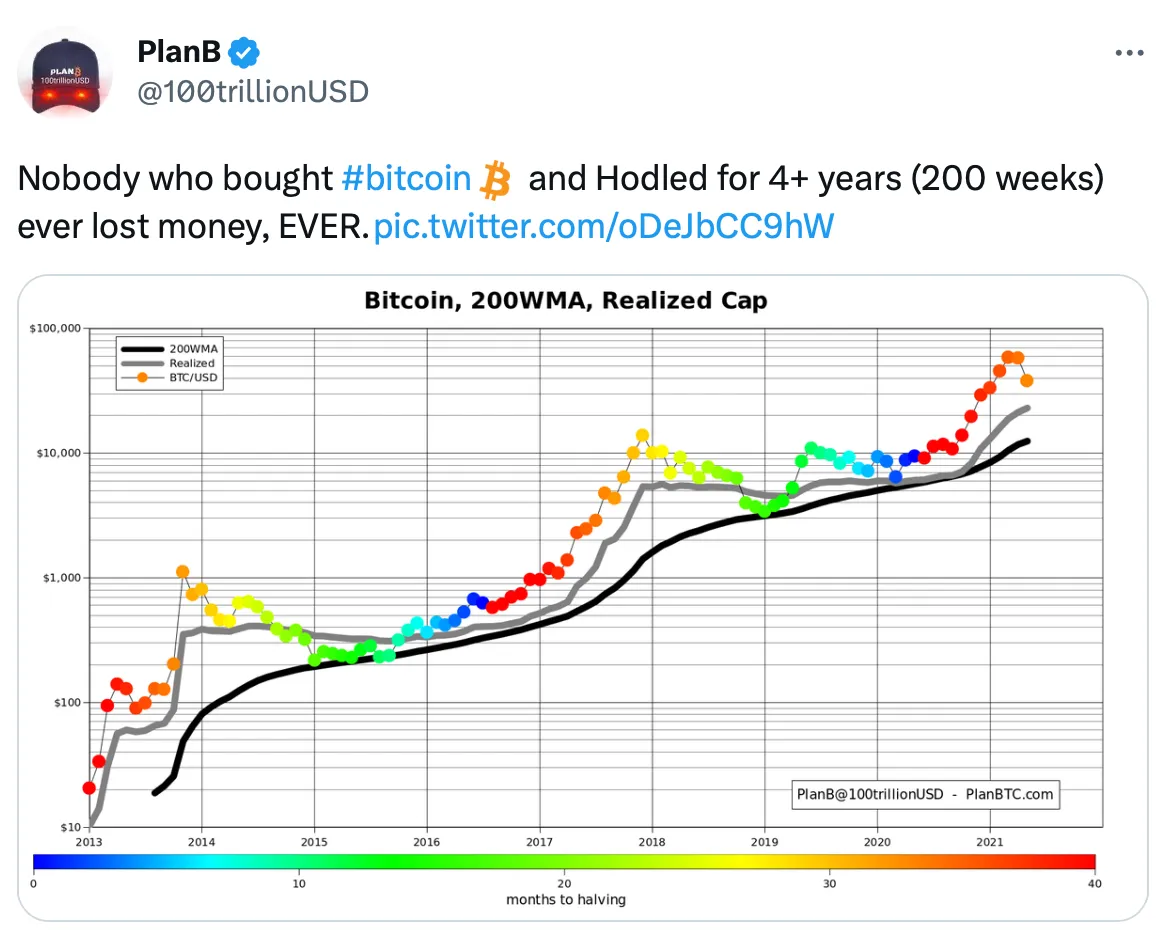
Halvings reduce the rate of new supply, but their effect on price depends on demand and other market conditions. A scheduled supply change does not guarantee a rally.
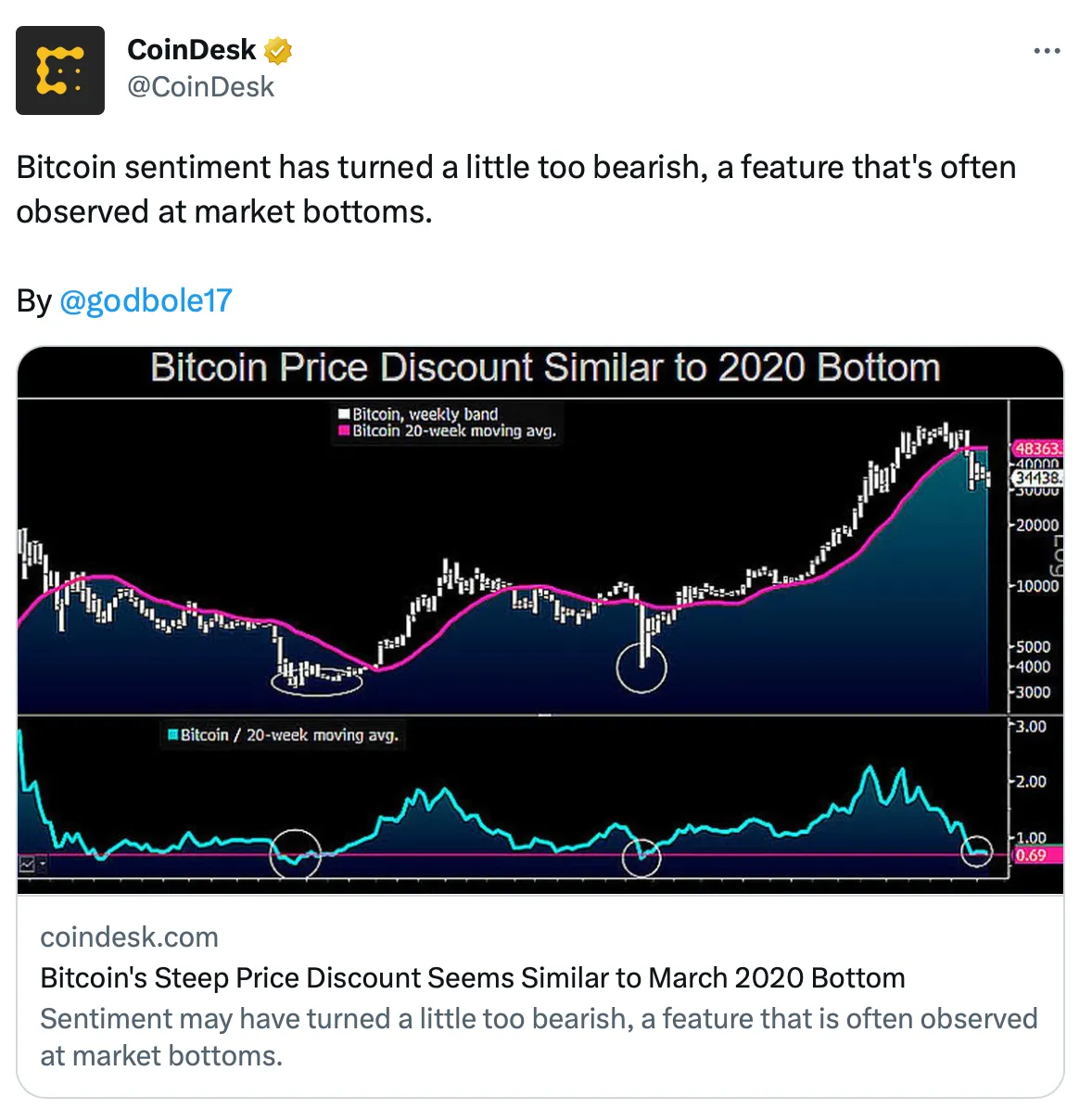
Understanding crypto prices is challenging due to the complexity of narratives such as bull/bear markets. Pay attention to experts’ use of “bullish” and “bearish” on Twitter to assess their beliefs.
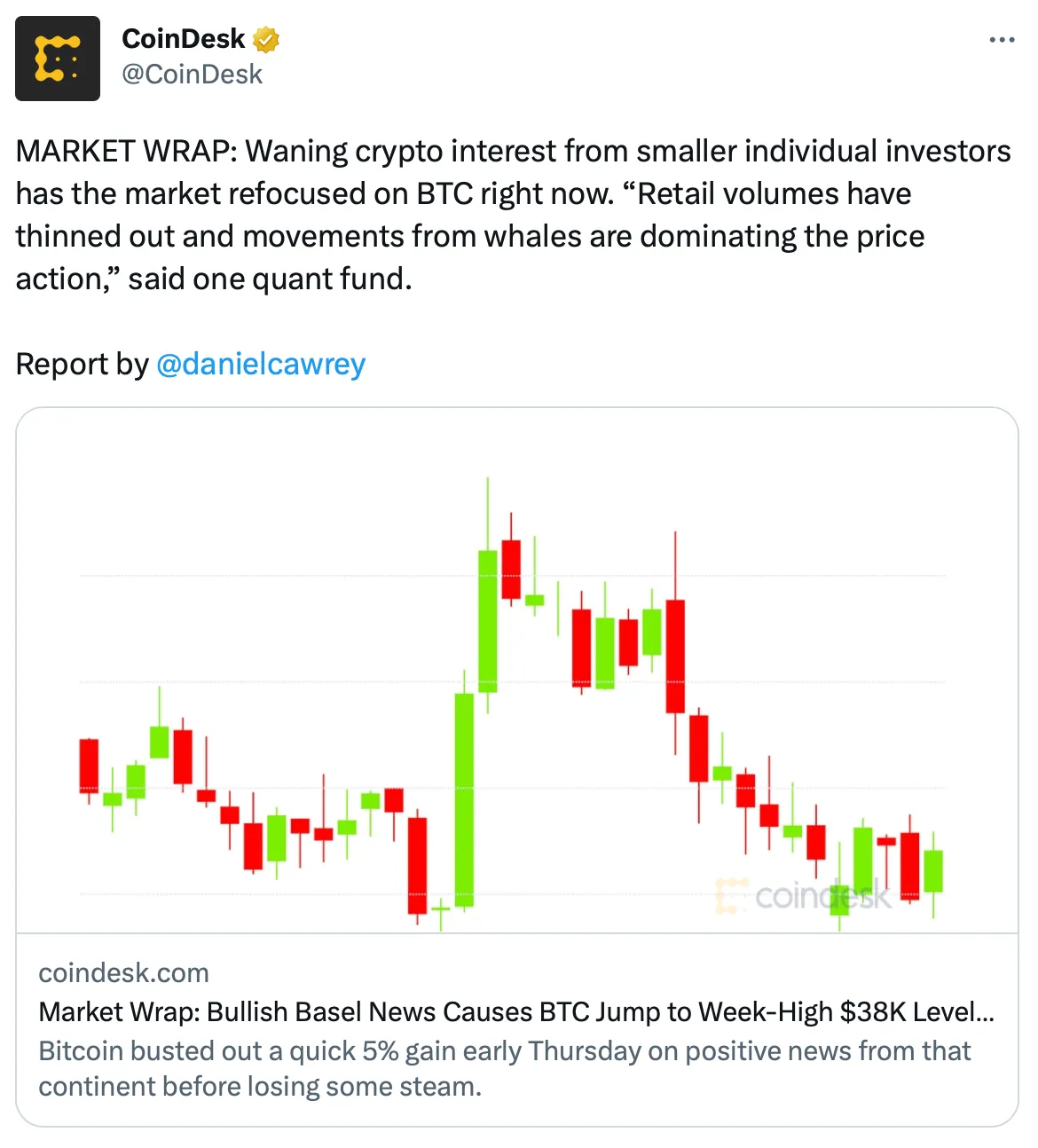
Crypto and equity markets can move together, particularly during broad changes in risk appetite. The relationship varies across assets and periods; crypto is not a guaranteed hedge against falling stocks.
From 2021 to 2023, crypto and stock markets have become more correlated. A recent study by Georgetown University shows this trend.
Episodes such as the March 2020 market sell-off illustrate that crypto can fall alongside equities. Comparing exact percentage losses requires the same dates and measurement window; it does not establish a permanent relationship.
Markets may change, and it’s unclear why or when, but patience can yield benefits in both Bull and Bear markets. Accept them as a natural part of the market cycle and stay calm while hodling.
Remember: Unitywallet does not offer legal or financial advice. This blog piece should be used to help you form and shape opinions but cannot replace individual financial due diligence.


