Shitcoins — all you need to know
“Shitcoin” is an informal and often critical label rather than a technical asset category. This article examines the hype, limited utility and manipulation risks people associate with the term.
Share article


Shitcoin Introduction
“Shitcoin” is an informal and often derogatory label for a token considered weak, speculative or lacking a convincing purpose. It is an opinion, not a technical category or proof of fraud.
The term was likely first used in 2010 on a BitcoinTalk forum and referred to a type of cryptocurrency with no value or purpose. Since then, the euphonious sound of the word "Shitcoin" has ensured its virality. The term is now ubiquitous and applies to any or all dead-end cryptocurrencies - analogous to junk bonds from the 1980s.
And, given that there is seemingly no end to the bizarre and cringeworthy names adorned upon these proto-currencies, it should be no surprise that Shitcoin (CRYPTO: STC) is a real thing.
The Shitcoin (STC) Origin Story
Shitcoin was created as a semi-joke by an out-of-work 26-year-old called Jacob Martin, who was scammed several times over by pump-and-dumps and wanted to create his own for two purposes:
A medium of exchange for fungible assets.
An artistic outlet for minting and selling NFTs.
Some projects lean heavily on parody, including irreverent names and artwork. That tone does not establish who controls a contract or what restrictions apply to trading it.
The following figures form a historical-style illustration of how a falling unit price and transaction fees can combine. They are not a verified price history or contract terms for a current token.
A small quoted unit price can make a position feel inexpensive. The number of units does not change the percentage loss when their value falls.
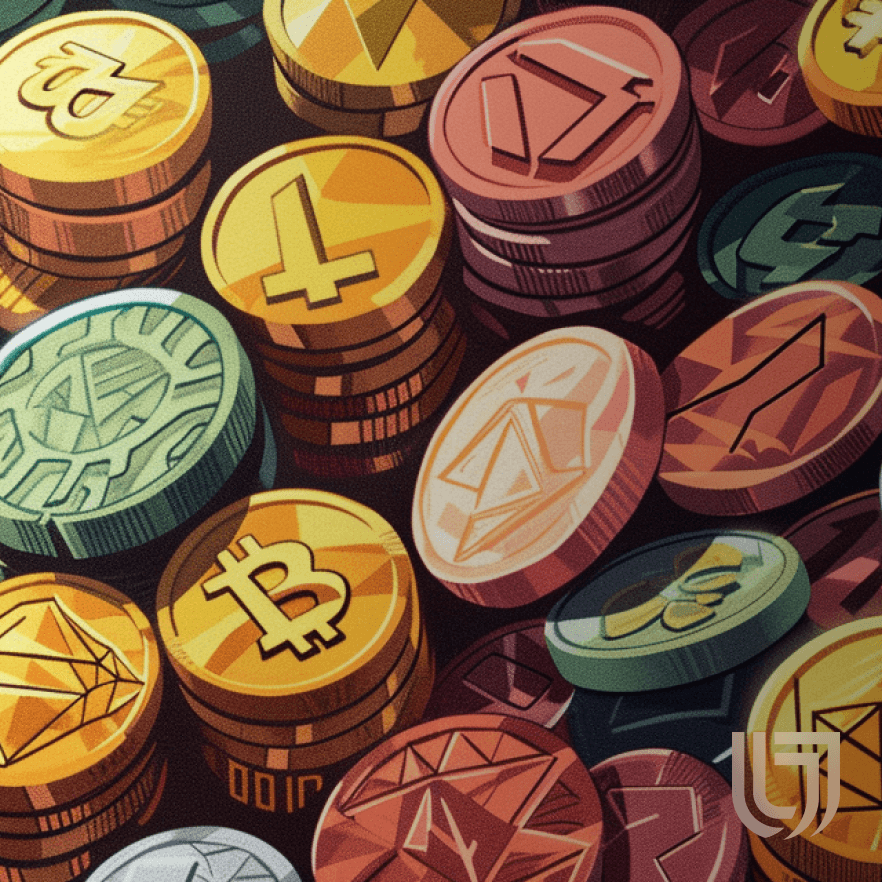
Piles of Shitcoin
Here is a simplified hypothetical example using one million units, with fees added to the purchase cost and deducted from sale proceeds:
Purchase: 1,000,000 × $0.0487 = $48,700 before fees.
Illustrative 6% purchase fee: $2,922, giving a total cost of $51,622.
Sale: 1,000,000 × $0.0104 = $10,400 before fees.
Before fees, the price loss is $38,300, or approximately 78.6% of the purchase value.
Illustrative 9% sale fee: $936, leaving $9,464 in proceeds.
Against the $51,622 total cost, the loss is $42,158, or approximately 81.7%. These are stated arithmetic assumptions, not verified terms for a particular STC contract.
But How Do Shitcoins Work?
Specific token contracts can impose transfer taxes, wallet limits or administrator permissions. Those rules require contract-level evidence. A zero token tax does not remove network gas, and the example above is not a transaction instruction for a token called STC.
Speculative tokens exist on many networks. Examine distribution, permissions and liquidity instead of assuming that a joke name, a familiar chain or a particular supply cap establishes safety.
No Shit
Most shitcoins are tokenizable parodies that monetize based on buzzability, virality, and memeability. A single Elon Musk Tweet has contributed to Dogecoin's (DOGE) multi-billion dollar market cap, and the closely related Shiba Inu (SHIB) has also had some success. However, the vast majority are nonsense.
These currencies may seem playful and good-natured, but make no mistake; there are people behind the scenes with vested interests trying to hype them up, cash out at the peak and leave you high and dry (pump-and-dump). These assets are more volatile than an active volcano. So if you're seeking an answer to the question, are shitcoins right for me? Then please choose from the following options:
A) No
B) No
C) No
Remember: You cannot polish a Shitcoin.