
Crypto Snapshot · October 1–31, 2026
The Binance hack put exchange custody under pressure
On October 29, attackers stole approximately $6.3 billion from Binance’s hot wallets, which are connected to the internet to process transfers. The exchange suspended withdrawals and said it would cover the losses. Binance’s incident update described its response; Reuters independently reported the theft and efforts to restore confidence.
In an October 31 update, Binance said it had replenished 90% of the affected assets. The investigation remained open. The FBI attributed the attack to North Korean TraderTraitor activity.
Update, November 1: Binance said it had covered approximately 95% of the affected amount and announced a phased restoration of withdrawals. Its official Chinese-language channel reported that Bitcoin-network withdrawals had begun reopening. Availability remained dependent on the asset and network.
Bitcoin fell and US spot ETFs ended the month with outflows
Bitcoin finished October at approximately $77,424, down 7.3% from September’s close, using Coinbase’s BTC-USD daily closing prices in UTC. This is a specific exchange benchmark; prices can differ across venues. Coinbase price data.
US spot Bitcoin ETFs recorded approximately $516 million in net outflows, while US spot Ether ETFs recorded net outflows of approximately $1.61 billion. Those totals are our calculations from October’s 22 trading sessions in Farside Investors’ Bitcoin and Ether tables. These funds let investors gain exposure through brokerage accounts without holding the coins themselves.
The Bitcoin total concealed an uneven month. Four consecutive inflow sessions from October 26 to 29 were followed by $643.2 million in withdrawals on October 30, enough to leave the month negative.
Four days of inflows, outweighed by one session
US spot Bitcoin ETF daily net flows, October 26–30, 2026. Source: Farside Investors.
The pattern shows why one strong trading day cannot establish a sustained return of demand.
Stablecoins reached familiar payment services
Stablecoins, tokens designed to track currencies such as the US dollar, gained new payment uses during October.
On October 15, Mastercard and BVNK launched Global Money Platform, bringing fiat and stablecoin balances, conversion, card issuing and payouts into a single service for businesses. Mastercard described it as available through BVNK, with broader payout coverage planned for 2027.
On October 23, HSBC launched its Hong Kong dollar stablecoin, RedCoin (RCHKD), through PayMe. The service puts stablecoin payments inside an existing consumer app.

Samsung also announced plans on October 7 to add USDC transfers to Samsung Wallet for eligible US users, with rollout scheduled for the last week of October.
These services put digital money closer to familiar payment habits. Availability still depends on the service and jurisdiction.
US regulators advanced custody and stablecoin rules
Two US developments addressed different parts of the system.
On October 1, the SEC proposed rules for how registered investment advisers and regulated funds can hold cryptoassets. The proposal would permit self-custody in certain circumstances and broaden the use of state trust companies as custodians.
On October 21, the OCC finalized its rule implementing parts of the GENIUS Act. It sets requirements for payment stablecoin issuers under its supervision, including reserves, redemption and risk management. Anti-money-laundering and sanctions provisions are being addressed separately.
Europe clarified which stablecoin services can continue
On October 8, ESMA set out supervisory expectations for services involving stablecoins that do not comply with MiCA. Authorized providers serving EU clients are expected to wind down the covered services, with a limited transition for handling existing positions.
On October 14, the European Banking Authority classified USDC as the EU’s first significant e-money token. Additional EBA supervision, including reserve and liquidity requirements, is due to begin on November 12, alongside continued French supervision. The classification brings greater oversight; it is not a guarantee of the token’s value.
Europe also moved toward another regulated option. On October 14, Qivalis, backed by 37 European banks, announced authorization as an electronic money institution from the Dutch central bank. Its planned euro stablecoin had not yet launched.
Tokenized investments expanded with eligibility limits
On October 8, Securitize launched tokenized US stocks on Solana. The company said the products were backed one-for-one by underlying shares and settled in USDC. Trading began with extended hours; round-the-clock trading remained a plan.
On October 22, J.P. Morgan Asset Management expanded access to its MONY and JLTXX tokenized money market funds on Solana for eligible US investors.

Both developments bring conventional investments onto blockchain infrastructure.
Solana upgraded while Ethereum extended testing
Solana activated Alpenglow’s Votor phase on October 21, changing how validators agree that transactions are final. Its target is roughly 150 milliseconds to finality, compared with approximately 12.8 seconds under the previous system. That is a design target, not a guarantee for every transaction.
After Glamsterdam’s activation on Ethereum’s Sepolia test network on October 6, the Ethereum Foundation postponed the planned Hoodi testnet upgrade on October 22. Developers needed more time to investigate how a proposed change interacted with existing contracts.
Hardware wallet security also came under scrutiny
Exchange custody was not the month’s only security concern. In an October 15 report, Ledger described attacks involving genuine devices that had been physically modified before reaching buyers through resellers in Southeast Asia. Added components captured recovery phrases during setup, according to the company.
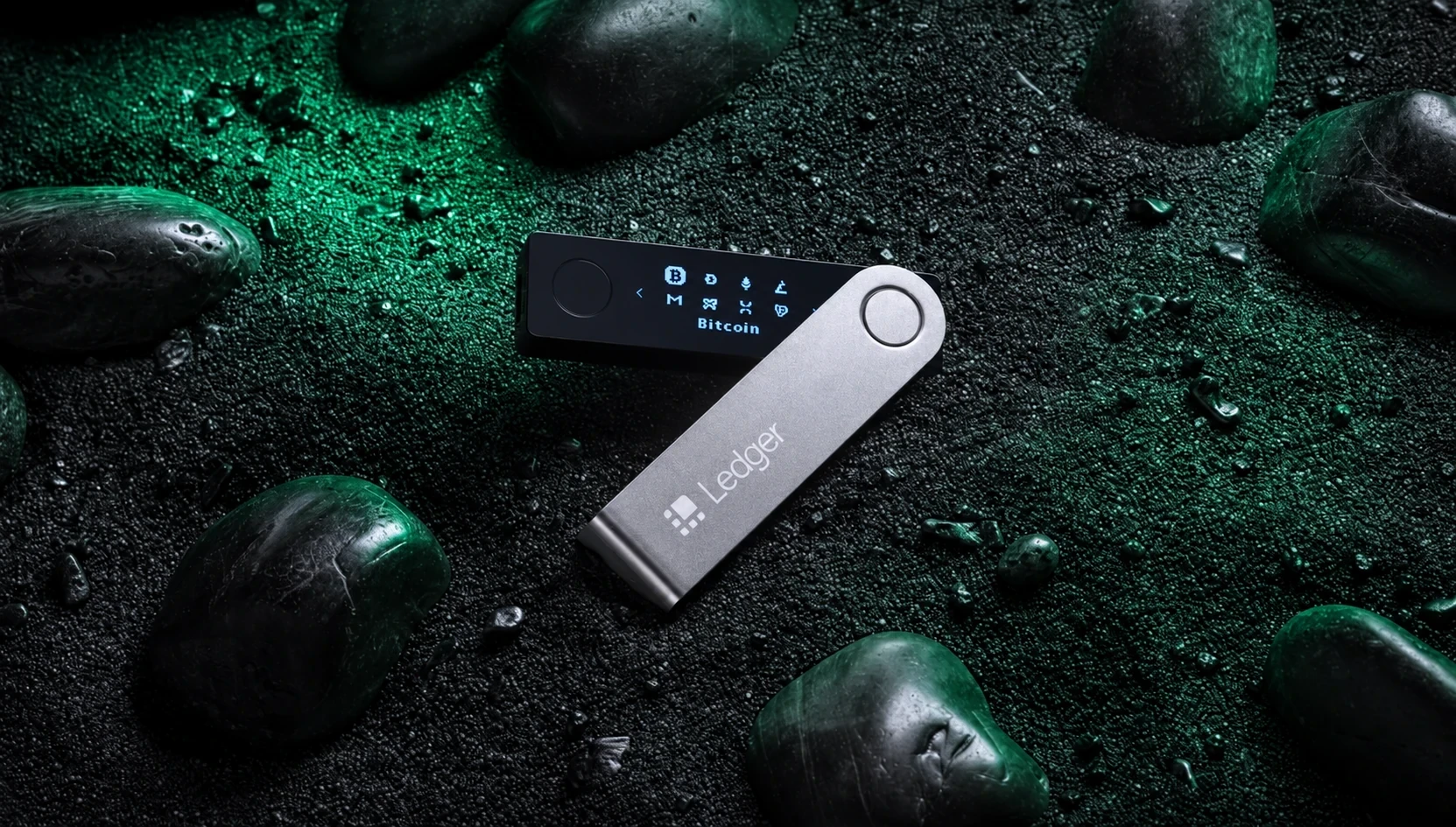
Ledger said its secure chip, operating system and servers had not been compromised. The incident nevertheless showed how a wallet can be undermined before its owner starts using it. Self-custody also depends on the device reaching its owner without being tampered with.
What October changed
October broadened the distribution of digital assets, while access remained product-specific. Stablecoin payments reached familiar services; tokenized stocks and money market funds still depended on investor checks and jurisdictional limits.
The security stories exposed different points of failure: Binance’s online exchange wallets and, in Ledger’s account, hardware modified before delivery. Replacing lost funds, restoring withdrawals and establishing a signing device’s integrity are separate questions. Progress on one does not establish the others.


